10 Fun Hwatu Facts You Didn’t Know
Even though we see Hwatu (Korean flower cards) every day, there’s surprisingly a lot we don’t know. Today I’ve collected only well-established facts into 10 Fun Hwatu Facts You Didn’t Know. They’re perfect for showing off a little.
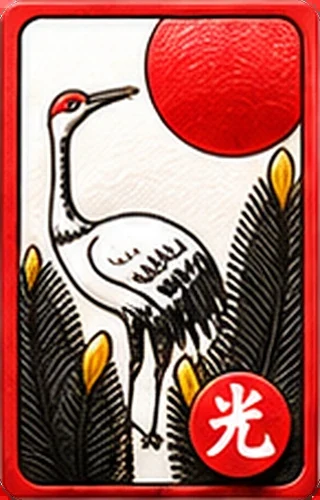
January
|
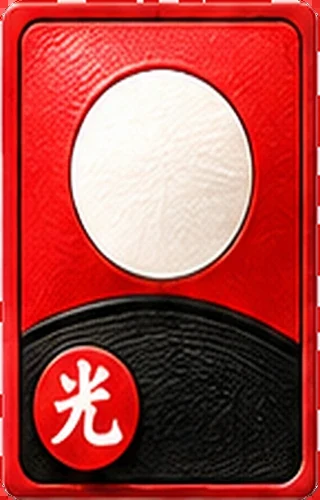
August
|
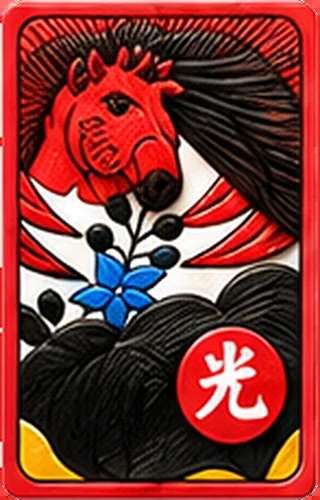
November
|
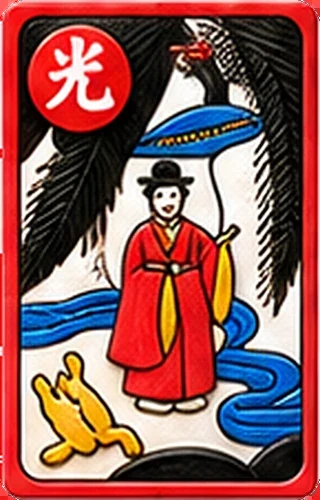
December
|
1. 48 cards are 12 months × 4 cards
Hwatu has 4 cards per month, so there are 48 cards for twelve months. It’s like a whole calendar fits in the palm of your hand.
2. Only five months have a ‘Bright’
Brights exist only in January, March, August, November and December. That’s why collecting all five for the ‘Five Brights’ is really rare.
3. Hwatu’s homeland is Japan’s Hanafuda
Hwatu came from Japan’s Hanafuda (花札). ‘Hana’ means flower and ‘fuda’ means card, so it’s literally ‘flower cards.’ It’s said to have reached Korea after the open-port period, when exchange with Japan grew, but there are several theories about the exact time and route.
4. Are Japanese card games rooted in Western cards?
They say Portuguese people brought Western cards to Japan in the 16th century, and Japanese card games arose under that influence. Hanafuda is said to have settled in around the late Edo period.
5. Nintendo’s first product was Hanafuda
Nintendo is famous for games now, but it’s said to have begun in 1889 in Kyoto, when Yamauchi Fusajiro made Hanafuda. So Hwatu and game consoles share one root.
6. Korea and Japan differ in November and December
In Japanese Hanafuda, November is the willow (rain) and December is the paulownia. In Korea, November is paulownia and December is rain. It’s the same 48 cards, with just a slightly different order.
7. There’s a story hidden in the Rain Bright
They say the person on the Rain Bright is Ono no Michikaze (Tofu) (894–966), a calligrapher of the Heian period. The story goes that he gained an insight from watching a frog try again and again to leap onto a willow branch. It’s a legend, so it differs a little from book to book.
|
Rain Bright
|

Swallow (Animal)
|
8. Godori is the three birds of February, April and August
Godori is the three Animal cards (birds) of February’s plum, April’s Black Clover, and August’s Pampas. In this game, collecting all three adds 5 points.
9. Red, Grass and Blue Ribbons also have set months
Red Ribbons are made from the ribbons of January, February and March; Grass Ribbons from April, May and July; and Blue Ribbons from June, September and October. Once you memorize them, scoring gets easy.
10. All four December cards are different
In this game, December’s four cards are all different types: a Bright (Rain Bright), an Animal (swallow), a Ribbon, and a Double Junk. Few months have such variety within the same month.
In this game, if you collect three Brights and the Rain Bright is among them, it’s 2 points; if it isn’t, it’s 3 points. It’s a fun rule where a single Bright card changes the score.