

Hwatu Comes to Korea: A Story of Crossing the Sea
How did Hwatu, born in Japan, become a holiday pastime for Koreans? Today let’s talk about how Hwatu crossed the sea and came to us. First, I should say that scholars disagree about the exact time and route.
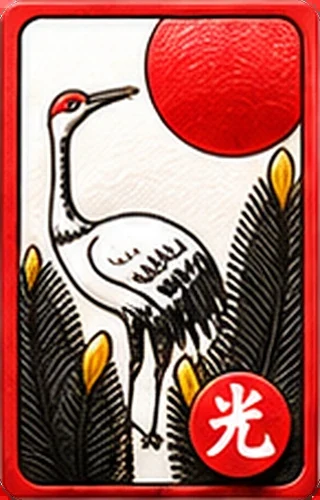
January Bright
|
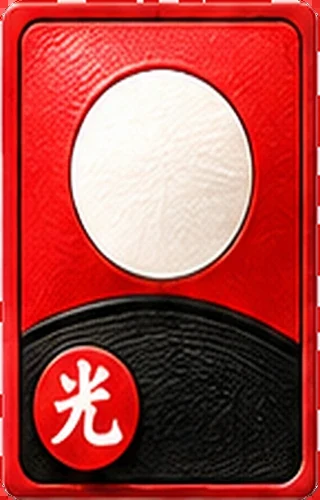
August Bright
|
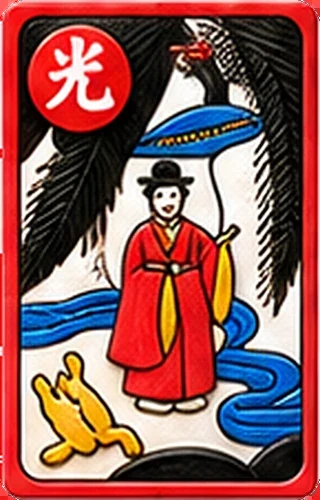
December Bright
|
The Opening of the Ports: The Sea Opens Up
After the Treaty of Ganghwa in 1876, ports such as Busan opened and Japanese people began to come and go. The most widely known explanation is that Hwatu also came in around this time through Japanese merchants and others. There is a theory that it spread first from the port areas. However, it is said there is no certain record that says, ‘it began on this day, with this person.’
It Changed in the Korean Way
Once it arrived, Hwatu changed little by little in our hands. A good example is the order of the months. In Japanese Hanafuda, November is the willow (Rain) and December is the paulownia, but Korean Hwatu is known to have November as the paulownia and December as Rain. This game follows the Korean way, too.
And Korean Hwatu has the character 光 (“Bright”) printed on it, doesn’t it? It is known that the cards with high points in Korean Hwatu carry the character for Bright.
| Japanese Hanafuda | Korean Hwatu | |
|---|---|---|
| November | Willow (Rain) | Paulownia |
| December | Paulownia | Rain (Rain Bright) |
| Months with a Bright | Explanations may differ depending on the source | Jan, Mar, Aug, Nov and Dec |
Becoming a Holiday Pastime
As time went by, Hwatu is said to have settled in as a game people sit around and enjoy on holidays and at gatherings. In Korea it spread even more widely in the form called ‘Go-Stop’. There are not many solid written sources for where terms like Go, Stop and Ppeok came from, so most of it is just ‘they say it came about like this’ stories.
Old tales and legends are told a little differently depending on the book and the region. This article retells the commonly known story in simple words.
What Is Not Certain in This Article
- The exact year and place it first arrived
- Who spread it first
- The exact time it changed in the Korean way
Since there are several theories about these, I will only say ‘it is known that…’. Not pretending to know exactly is also a virtue of a storyteller.
- Hwatu came from Japanese Hanafuda, and it is known to have reached Korea after the port-opening period
- In Korea the order of the months differs: November is the paulownia and December is Rain
- The exact time and route are a matter of differing theories