

The Roots of Hwatu: From Portuguese Cards to Nintendo
Would you believe that a company that made Hwatu card sets became a world-famous game company? Nintendo, known for Mario and Pokémon, first did business with Hwatu cards. Shall we follow the roots of Hwatu?
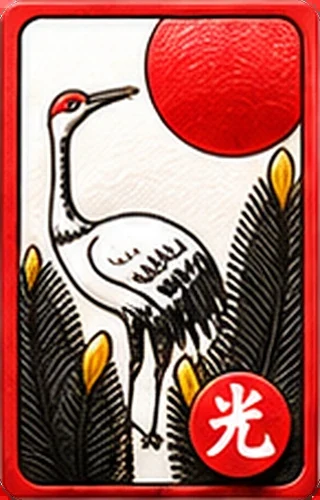
January Bright
|
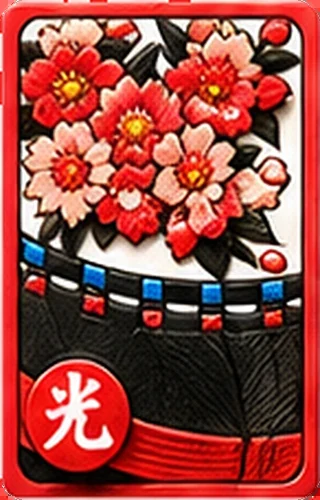
March Bright
|
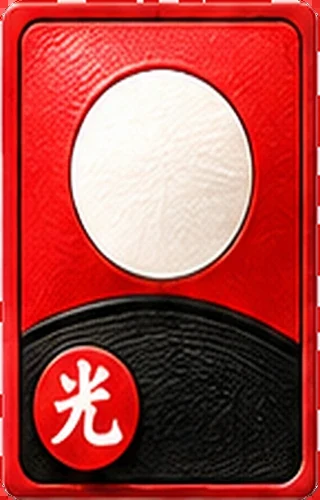
August Bright
|
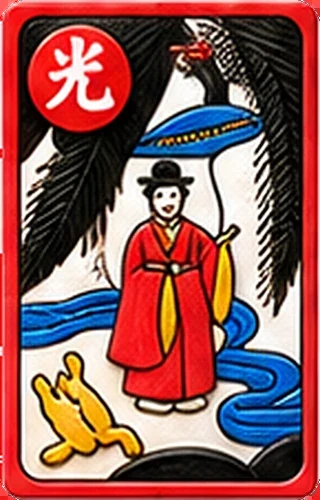
December Bright
|
Act 1. The Portuguese Brought Cards
It is said that in the 16th century, Portuguese people brought Western playing cards to Japan. The word ‘karuta’, which means card games in Japanese, is also said to come from the Portuguese word ‘carta’. Some sources explain that those cards came in a 48-card set. Hwatu has 48 cards too, doesn’t it? But it is not certain whether the two are directly connected, so please take it as just an interesting coincidence.
Act 2. The Game Was So Popular That It Was Banned
Card games spread in no time, and because they often led to gambling, the Edo-period shogunate is said to have banned cards several times. So people came up with new cards. Instead of Western designs, they drew Japan’s flowers and scenery of the four seasons on them, and this is said to be the beginning of Hanafuda (花札). Hanafuda is known to have taken hold around the late Edo period.
There is also a story that people wrote poems on the cards to pretend they were not for playing and avoid the ban, but accounts differ somewhat depending on the source.
Old tales and legends are told a little differently depending on the book and the region. This article retells the commonly known story in simple words.
Act 3. Twelve Months of Scenery Became Cards
Hanafuda pairs one flower with each month: pine, plum blossom, cherry blossom… With 4 cards for each of the 12 months, the 48 cards were complete. It is as if the feelings of Japanese people, who sense the seasons so keenly, became cards just as they are. In Japanese Hanafuda, November is the willow and December is the paulownia, so the order of the months differs from Korea.
Act 4. Nintendo Started as a Hwatu Shop
It is known that in 1889, in Kyoto, Yamauchi Fusajiro opened a shop making Hanafuda. That shop is today’s Nintendo. Some sources differ on the founding year, but it is generally known to be 1889. They say Hanafuda are still made and sold in Japan today. Each and every Hwatu card was, you could say, Nintendo’s first step.
| When | What happened |
|---|---|
| 16th century | It is said that Portuguese people brought Western cards to Japan |
| Edo period | Card games spread, and the shogunate’s bans are said to have continued |
| Around the late Edo period | Hanafuda is known to have taken hold |
| 1889 | Yamauchi Fusajiro made Hanafuda in Kyoto, the start of Nintendo |
The story of how it came to Korea continues in How Hwatu Came to Korea.
- The roots of Hwatu lie in Japanese Hanafuda
- Hanafuda is known to have come about under the influence of Portuguese cards
- Nintendo is said to have started in 1889 by making Hanafuda