

Why Is It Called ‘Ttong-gwang’? The November Paulownia Story
Have you ever shouted "Ttong-gwang!" while playing Go-Stop? It’s a strange name, isn’t it? How can "poop" turn into a Bright? Today I’ll tell you about the November paulownia tree, the phoenix, and the unfairly named Ttong-gwang and its story.
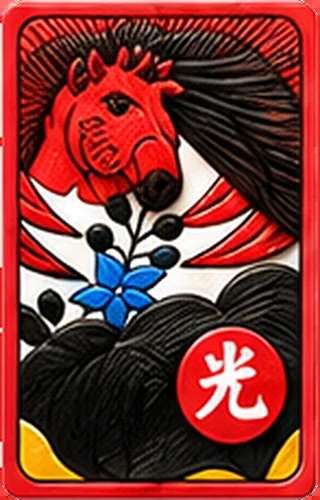
Ttong-gwang
|
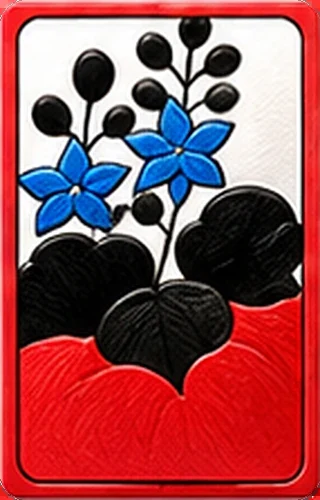
Double Junk
|
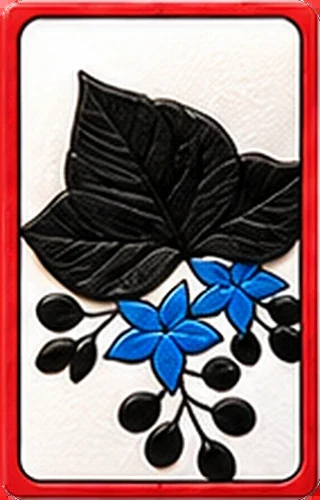
Paulownia Junk
|
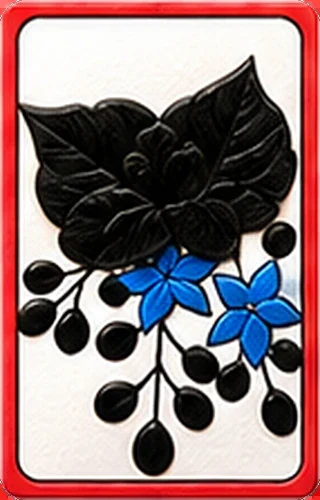
Paulownia Junk
|
Ttong-gwang is really the ‘Paulownia Bright’
The November picture is the paulownia tree. There’s a story that ‘odong’ (paulownia) was shortened to ‘dong’ and became ‘ttong’. So, put politely, Ttong-gwang is the Paulownia Bright. The name sounds silly, but its background is quite dignified. It isn’t a story with solid written sources; it’s only said that people call it that.
On the Bright card in this game’s artwork, there is a circle marked with the character for Bright (光), along with a large reddish picture, black paulownia leaves, and blue paulownia flowers. In the Japanese Hanafuda, they say this Bright shows a phoenix.
Why does the phoenix perch only on paulownia trees?
An old Chinese book says that the phoenix eats only bamboo fruit and rests only in paulownia trees. That shows how precious the paulownia was. A mythical bird choosing such a tree: no wonder it holds its head high, don’t you think?
We have paulownia stories in Korea too. You’ve probably heard that when a daughter was born, a paulownia tree was planted, and when she married, a chest was made from that tree. Paulownia grows fast and is light, so it was also used for furniture and for instruments like the gayageum. November is a month full of ‘precious tree’ stories.
Hidden picture: the red background on the Double Junk
The second November card is a Double Junk with black paulownia leaves and blue flowers on a red background. The other Junk cards have white backgrounds, so it’s easy to tell them apart. The remaining two are ordinary Junk cards with blue flowers on black leaves. A Double Junk counts as two Junk cards, so it’s a pity to miss it.
Role in the game
- Ttong-gwang is one of only five Bright cards (January, March, August, November, December).
- Three Brights are worth 3 points, but if the Rain Bright (Bi-gwang, December) is among them, it drops to 2 points. For the Rain Bright story, see the Person with an Umbrella on the Rain Bright article!
- Four Brights are worth 4 points, and collecting all five is worth 20 points.
- When the ‘Capture the Ttong-gwang’ mission is chosen, the score of a round you win is x2.
If Ttong-gwang is in the mission, this one card matters more than the points. It’s a card that’s rather annoying when your opponent holds it.
A little joke
Everyone who captures Ttong-gwang says the same thing: "I stepped in poop today, but what a stroke of luck!" There’s an old saying that stepping in poop brings good luck, so maybe this card benefits from its name?
Old tales and legends are told a little differently depending on the book and the region. This article retells the commonly known story in simple words.