
The Story of August Gongsan – Pampas Grass and the Full Moon, Wild Geese and Godori
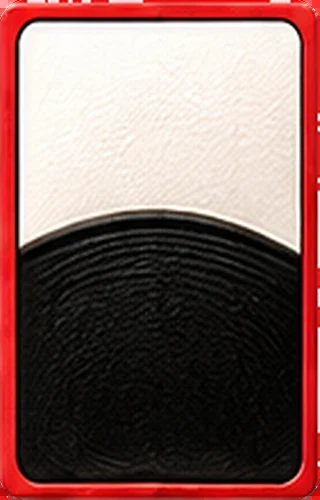
When you first see the August Hwatu card, a thought like this comes to mind: “Isn’t this just a black hill, not a picture?” Yes, the August card is the simplest picture in all of Hwatu (Korean flower cards). But because it is simple, it is all the more striking, and it is a month with many hidden stories.
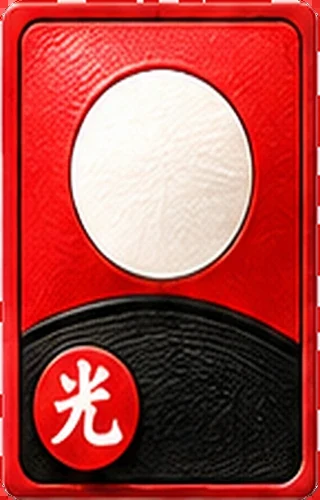
August Bright (full moon)
|
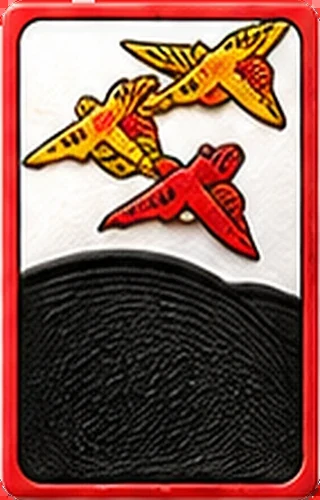
August Animal (wild geese)
|
Gongsan? What does “empty mountain” mean?
The August card is commonly called Gongsan (空山). Just as the Chinese characters say, it means an “empty mountain.” It is said to be a picture of a hill of pampas grass in an autumn field and a full moon high in the sky. The black curve below is the hill thick with pampas grass, and the moon is rising above it. There is no clear explanation of why it is named Gongsan, so just take it as an interpretation that it points to a lonely, quiet mountain with the moon hanging over it.
A full moon in August? The story of Hangawi
August 15 on the old calendar (the lunar calendar) is exactly Hangawi (Chuseok). It is thought to be the day of the year when the moon is brightest. So it is natural for a full moon to appear on the August Hwatu card. Together with pampas grass, which announces autumn, and wild geese, which are migratory birds, the autumn scenery is complete.
Hidden pictures: the August Bright and Animal
- Bright card: a white round full moon hangs in the middle of a red sky, with a black hill spread out below.
- Animal card: a yellow bird and a red bird, that is, two wild geese fly side by side. Below is a black hill again.
- The two Junk cards show only the black hill , with no birds or moon.
One quiz! Among the four August cards, how many are cards without the moon? The answer is three. The moon appears on the Bright card only.
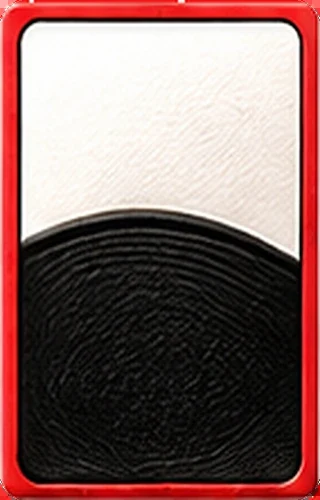
August Junk
|
August Junk
|
Godori, the story of three birds
In the game, collecting the three bird Animals of February, April, and August is called Godori. The August wild goose is the last puzzle piece among them. There are several stories about the name Godori: that it comes from a word meaning “five birds,” or that it is related to an old word for a small arrow, so we cannot say for sure which is right. For the full story, check out The Story of Godori.
What the August cards do in the game
- Bright: One of the 5 Brights (January, March, August, November, December). 3 Brights are 3 points (2 points if the Rain Bright (Bi-gwang) is included), 4 Brights are 4 points, and 5 Brights are 20 points.
- Animal (wild goose): When all 3 Godori cards come together, 5 points are added.
- Junk: Points start from a Junk point total of 10.
In August, two big scores, Bright and Godori, are gathered into one month. So the August cards are a high-priority month. Also keep in mind that if you score with Brights when the opponent has captured no Bright at all, it can become a Bright Penalty (Gwang-bak).
An anecdote: what happens when the moon rises
“I captured the August Bright, so the Hangawi full moon is in my hand!” one player boasted, and then lost the moon to the opponent on the next card and said sheepishly, “Well, the moon goes round and round.” I heard that story. Truly, the moon, both in the sky and at the Hwatu table, goes round and round.